Authorisation, Not Admin: Rebuilding the Work-at-Height Permit Around Real Decisions
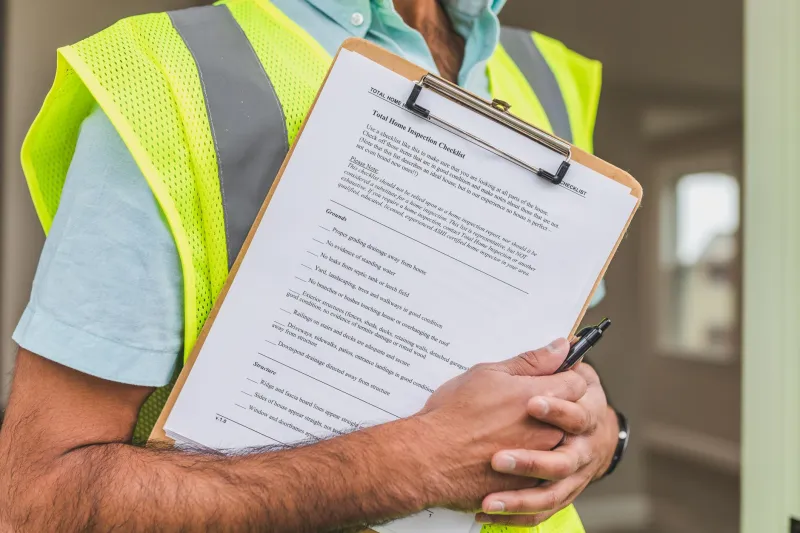
A permit to work is not a good-luck charm. On many UK sites it is completed at pace before the first briefing, signed by people who have not seen the work area, and filed without anyone checking whether the equipment, the weather or the rescue arrangements were ever considered. For work at height, that is a significant gap. The Work at Height Regulations 2005 require planning, appropriate supervision and competence; a permit does not replace those duties, but it should evidence how they have been discharged for a specific task, on a specific day, with specific equipment.
The failure mode: a form that authorises everything and nothing
The common problem is breadth. A single permit template tries to cover hot works, confined spaces, isolation and height, so the height section collapses into a few vague lines: access equipment required, yes or no; weather checked, yes or no; rescue plan attached, yes or no. Those questions invite a tick, not a decision. When an incident investigator asks why a MEWP was operated near a wind limit, or why a podium was used beside an unprotected opening, the permit offers no answer because it never recorded one.
Generic permits also tend to be signed too early. A permit issued at 07:00 for work starting at 10:00 cannot credibly confirm ground conditions, public interface or forecast wind at the point of use. The document becomes an administrative artefact rather than a live control.
Begin with the decisions, not the fields
A work-at-height permit should be built around four decisions that someone competent must make and record. First, is the selected access method appropriate for the task, duration and location? Second, is the set-up location suitable, including ground, overhead services and the public interface? Third, are the environmental conditions within the equipment and task limits? Fourth, can a rescue be effected promptly if someone falls or becomes incapacitated?
Each decision needs a named owner, a time and a source of evidence. That structure immediately exposes the permits that are being completed by rote: if the rescue decision has no name beside it, it has not been made.
Equipment-specific annexes, not generic prose
A MEWP, a scaffold and a podium step present different hazards and require different confirmations. The permit should not attempt to describe them all in one paragraph. Instead, use short equipment annexes that reference the relevant paperwork.
For a MEWP, the annex should record the machine category and model, the maximum wind speed stated by the manufacturer, the ground-bearing assessment, the harness anchor arrangement, the operator's IPAF category, the familiarisation record and the method of rescue. For a scaffold, it should reference the TG20 design where applicable, the handover certificate, the tag system, the loading limit and any alteration control. For a podium, it should confirm compliance with BS 8620, the maximum platform height, floor condition and the absence of adjacent openings or edges.
The permit does not need to repeat these details; it needs to confirm that they exist and have been checked. That distinction keeps the front sheet usable while preserving the audit trail in the annexes.
Location means the actual place
'Roof' is not a location. 'MEWP' is not a set-up plan. The permit should identify the building, elevation, bay or grid reference, and the specific area where equipment will be positioned. It should record overhead lines, fragile surfaces, ground conditions, underground services and the public interface. A site plan with the proposed position marked is more useful than a paragraph of description.
For facilities managers responsible for multi-building estates, this specificity is essential. A permit that says 'Block C' when the work is at the Block C loading bay tells the issuer almost nothing about the hazards the operator will face.
Weather triggers need numbers and a named authority
'Weather permitting' is not a control. The permit should state the equipment's manufacturer wind limit, the site's chosen margin below that limit, and the method by which wind will be monitored. For MEWPs, that normally means an on-site anemometer at the platform or the manufacturer's stated reference height, not a forecast alone. The permit should also address rain, lightning, ice and visibility where these affect the task.
More importantly, it should name the person authorised to stop work and the person who authorises restart. A wind trigger without a decision-maker is just a number on a page.
Rescue is the field most often left blank
The rescue plan is frequently reduced to 'call 999'. That is not a plan; it is an escalation. The permit should record how a person will be recovered from the specific equipment and location, who is trained to do it, what equipment is available and how quickly the recovery can be made. For a MEWP, that may include lowering from ground controls or using a secondary descent device. For a scaffold, it may require a rescue kit and trained personnel. For a podium, self-evacuation may be realistic, but only if the person is uninjured.
The permit should not be signed unless the rescue annex is complete and the rescuers are available on the day. A plan that relies on a subcontractor who is not on site is not a plan.
Sign-off that means something
The signature block should reflect the life of the permit. An issuer confirms that the planned controls are in place. An acceptor confirms that the conditions on site match the permit. A handback confirms that work has stopped, the area is secure and any equipment has been left safe. Time-stamping each signature exposes permits that were signed in a batch before the site was even open.
Where digital permit systems are used, role-based sign-off, photograph attachments and automatic version control are useful. On paper, a unique permit number, a colour copy at the point of work and a clear cross-reference to the RAMS version are the minimum.
Auditing the permit trail
A useful audit samples permits after the event and checks for decision quality rather than form completion. Were the equipment details specific? Was a wind limit recorded? Was the rescue method named? Did the handback happen? Were the same signatures repeated at identical times across multiple permits?
Interviewing operatives is equally revealing. If a MEWP operator cannot state the wind limit on their permit or describe the rescue arrangement, the document is not functioning as a control. The permit should be available at the point of work, not locked in a site office.
Designing for use
A permit that people actually use is short enough to read, specific enough to be useful and structured around decisions they are competent to make. Keep the front sheet to one page, move detail into annexes, use plain English and make mandatory fields genuinely mandatory. Review the template after every near miss and at least annually.
Above all, treat the permit as a record of authorisation, not a substitute for supervision. Its value lies in the questions it forces people to answer before work starts, and in the trail it leaves when someone later asks whether those answers were sound.